


(Source: Times Finance, Authors: Bai Jinlei, Pang Yu)
Xiong Youjun has pointed out on multiple occasions three major pain points currently facing the humanoid robot industry: prominent redundant construction; persistently high product validation costs; and fragmented technical systems that make solutions difficult to be compatible and interoperable.
As of 22:00 on August 26, the X- Humanoid (hereinafter referred to as "X- Humanoid") ranked first in total medals at the second World Humanoid Robot Games with 15 gold, 12 silver and 18 bronze medals. During the event, the "TianGong" series robots broke human records 34 times and won gold medals in the two finale events, the "Competition" and the "Scenario" categories.
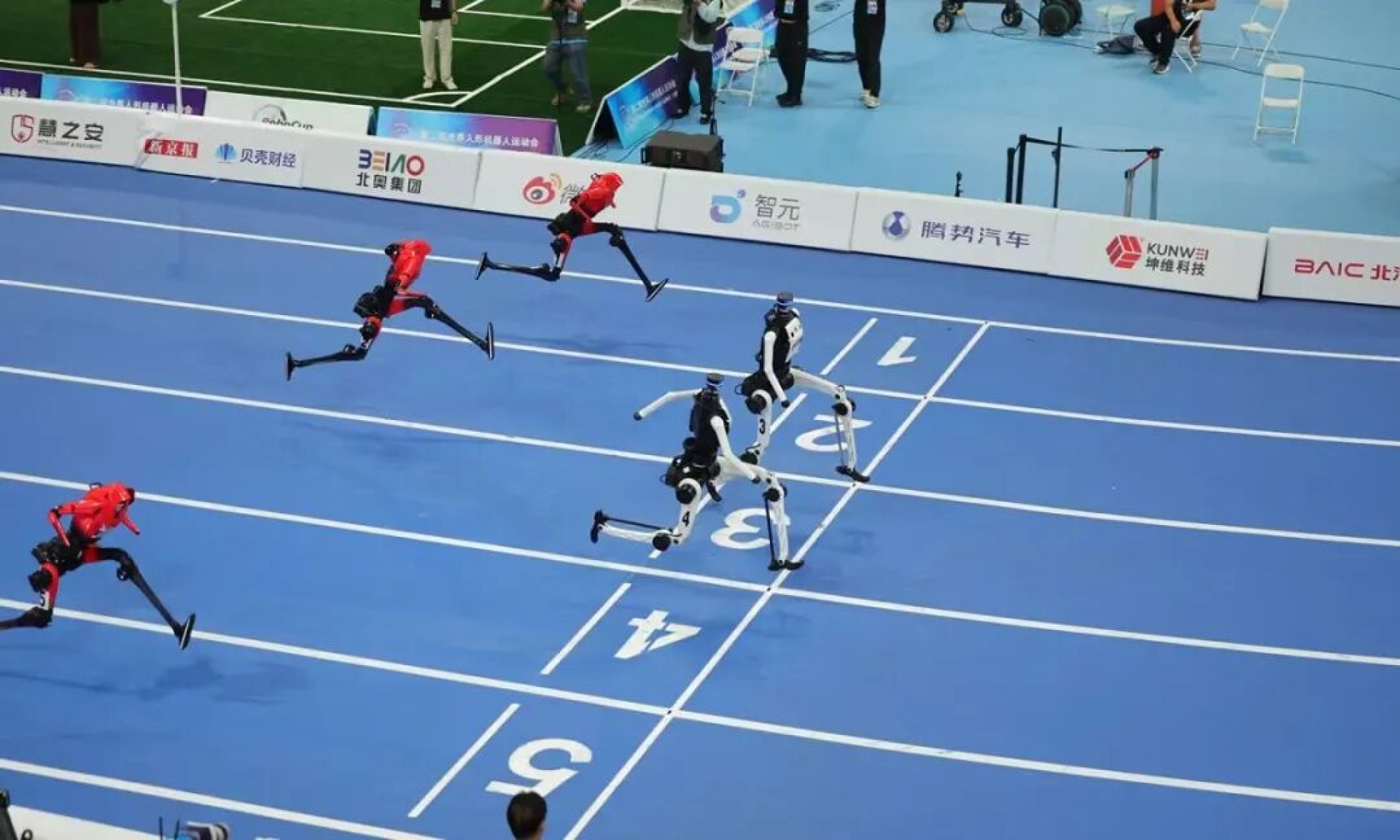
TianGong robots at the second World Humanoid Robot Games
Image source: Global Times, photographed by Li Hao
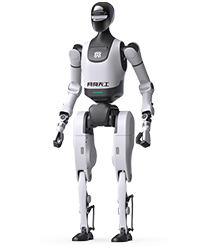
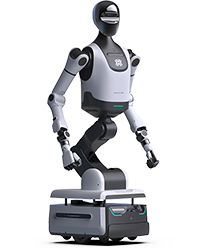
Behind these achievements lies the coordinated upgrading of software and hardware. At the recently concluded World Robot Conference, X- Humanoid unveiled in one go the unified embodied intelligence model Pelican-Unify and the lightweight humanoid robot TianGong Omni, and officially announced a deep strategic partnership with Mercedes-Benz. This "national team," established less than three years ago, released its first-generation "TianGong" robot in 2024 and was upgraded the same year into a national and local jointly built embodied intelligence robot innovation center.
In the view of Xiong Youjun, CEO of the X- Humanoid, what matters more than which product is launched is a judgment: where the industry has reached, and who should pave the way next. "The industry’s next step is no longer a contest over whose robot is better at ’putting on a show,’ but a contest of a whole set of systematic capabilities, and the rebuilding of industrial infrastructure," he said.
" The most obvious change this year is that the entire industry has shifted from simply showing off technology to favoring industrial logic and business logic," Xiong Youjun said in a recent conversation with Times Finance. This was also confirmed at the just-concluded World Robot Conference: although performances such as dancing, fighting, and playing soccer still drew crowds, what was truly discussed repeatedly became "dirty and tiring work" such as live-line work, logistics sorting, and metrology inspection.
When asked about listing plans, Xiong Youjun did not avoid the question: "We have plans to go public. The Innovation Center is essentially a company, and it is also a national platform with certain national missions. We must achieve sustainable development on the basis of fulfilling our national missions."
From "Benchmark Scores" to ROI:
We are now on the eve of ChatGPT for embodied intelligence.
Xiong Youjun’s assessment of the industry’s current stage is straightforward: "We are now in the eve of ChatGPT for embodied intelligence. Companies and the entire industry are shifting toward technology implementation and engineering validation."
Behind this judgment lies a reconstruction of the logic of competition. In the past, the industry was keen on the "benchmarking" narrative of single-point parameters such as motor torque, degrees of freedom, and motion speed, but this playbook is now failing. "Everyone has shifted from focusing on technical parameters to focusing more on building systematic capabilities—including R&D capability, supply chain capability, engineering capability, and ultimately customer experience. This places higher demands on a company’s technological comprehensiveness," said Xiong Youjun.
Another landmark signal is that the industry has begun to genuinely discuss return on investment (ROI). "I think humanoid robots entering factories for practical application is only just beginning. People are starting to truly focus on their ROI—this is a very important sign of whether an industry is mature." Xiong Youjun is also candid about the gaps: "Currently, humanoid robots still lag behind industrial robots and human labor in terms of ROI, but I see this gap narrowing very rapidly."
Speaking about the recent wave of enthusiasm around Unitree Robotics as the "first humanoid robot stock," he said: "Humanoid robots have set a better example on the A-share market, which is a very good thing for the entire industry. When people see better cases, more resources will be invested in this industry."
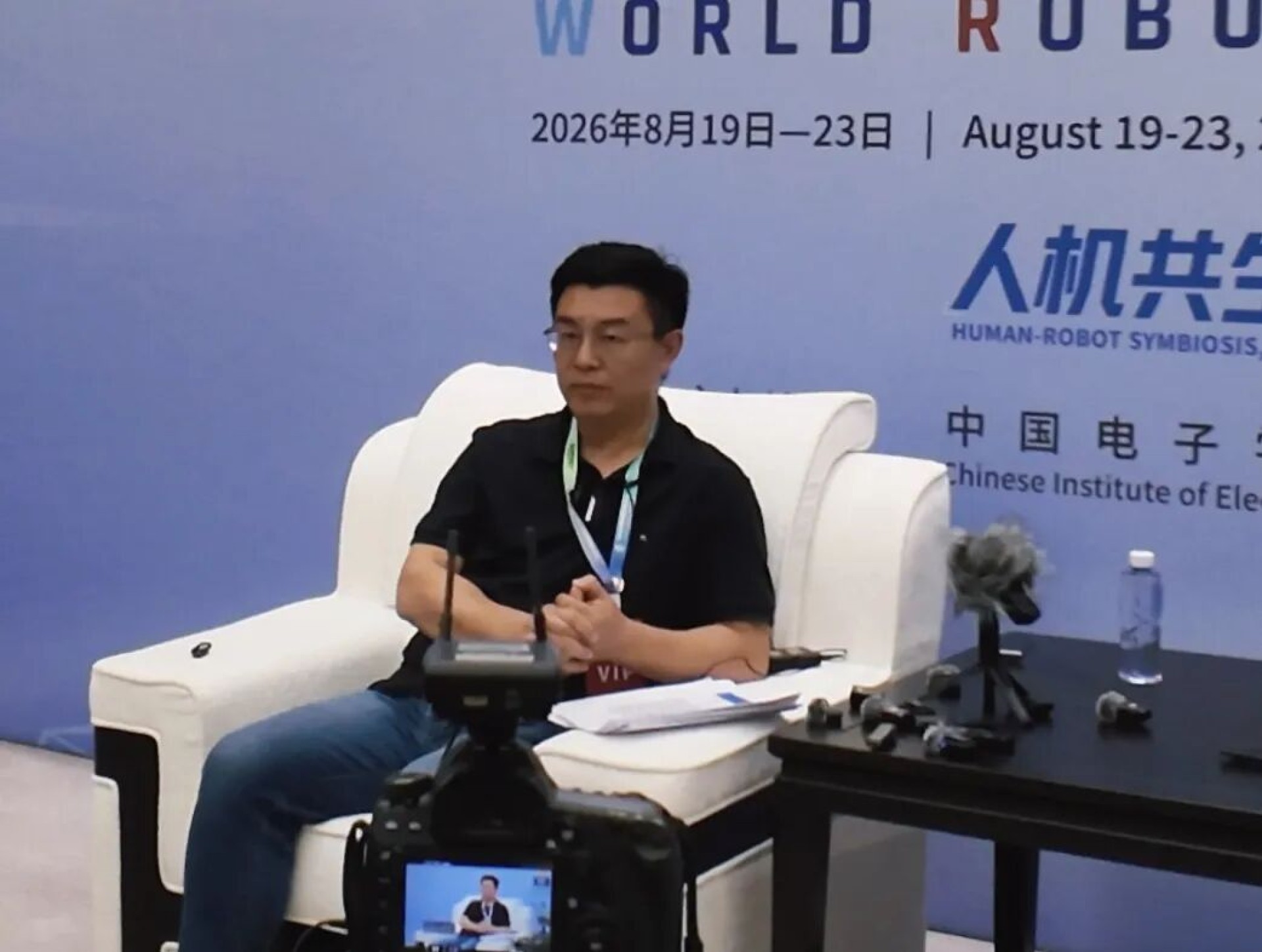
X- Humanoid CEO Xiong Youjun. Image source: Times Finance.
The cost of reinventing the wheel:
The industry calls for an "operating system-level foundation."
Amid the excitement, Xiong Youjun prefers to talk about problems. He has pointed out on multiple occasions three major pain points in the current industry: prominent redundant construction, with substantial homogeneous investment in both data collection platforms and commercialization models; persistently high product validation costs; and fragmented technology systems that make solutions difficult to be compatible and interoperable.
Xie Shaofeng, chairman of the Standardization Technical Committee for Humanoid Robots and Embodied Intelligence under the Ministry of Industry and Information Technology, also pointed out recently that current humanoid robot products are highly non-standardized, with inconsistent interfaces, different protocols and varying testing and evaluation systems, resulting in poor product interoperability, which also raises the threshold for users and increases maintenance costs.
"The humanoid robot industry calls for an operating-system-level underlying foundation. It is difficult for a single company to achieve breakthroughs across the entire chain; the industry’s challenges require collaborative solutions across the industrial chain." This is the solution proposed by Xiong Youjun, and it is also the logic behind the existence of X- Humanoid—to do the things that individual companies may not be willing to do, yet are unavoidable for the entire industry.
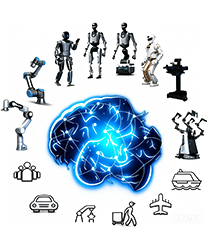
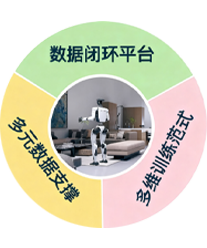
This logic is implemented on two platforms: TianGong is a general-purpose body platform. The recently released TianGong Omni stands 1.35 meters tall and weighs 39 kilograms, positioned for lower-cost mass production. HuiSi KaiWu, by contrast, is an operating-system-level open-source platform that, with an architecture of "one brain, multiple machines; one brain, multiple capabilities," opens the robot’s large and small brain foundations to the industry.
The "gold content" of the foundation is backed by several hard indicators: the dual-mode-driven large model Pelican VL-2.0 has passed the filing with the Cyberspace Administration of China, the first in the embodied intelligence industry; the unified model Pelican-Unify integrates the triple capabilities of visual understanding, motion control, and world model, and topped the World Arena global authoritative benchmark in May this year; the VLA model XR-1 has passed national standard testing.
"These are all first-of-their-kind breakthroughs in the industry, but this is just the beginning," said Xiong Youjun. More critical is the degree of openness. He offered a set of figures: downloads of open-source data on the KaiWu platform have exceeded 16 million, there are more than 10 open-source models, and more than 200 universities and partners have conducted secondary development based on the platform, including customers and top universities in the United States and Europe. An open-source ecosystem has taken initial shape.
"We still focus more on the industry’s common key core technologies, pursue R&D breakthroughs, provide a common platform to the entire industry, and leave the space for innovation to everyone." In Xiong Youjun’s view, for a national-level innovation platform, if a common technology can only be used by itself, its industrial value cannot be fully released. "Only by letting SMEs stand on our shoulders and focus on the vertical innovation they are good at can the industry prosper faster."
As vice chairman of the MIIT Humanoid Robot Standardization Technical Committee, Xiong Youjun values standards no less than technology. "Standards are not walls, but tracks for the industry to move forward together," he said. He introduced that X- Humanoid is the lead unit of the safety standards group, advancing the formulation of 49 standards, with multiple international standards also being promoted abroad.
The implementation roadmap emerges: 3D scenes first.
Don’t be too quick to question robots singing and dancing.
On the other side of the technology foundation lies scenarios. X- Humanoid’s deployment strategy is clear — 3D scenarios (Dirty, Dangerous, Dull), and five major directions: live-line work, laboratory testing, energy inspection, commercial explanation, and logistics sorting.
"Robots are certain to serve humanity, and their greatest value should be realized in scenarios that humans are unwilling to do or that are harmful to humans," said Xiong Youjun.
Currently, X- Humanoid has assisted the Jiangsu Institute of Metrology in completing fully automated verification of infrared thermometers, boosting efficiency by more than six times; its power inspection solution integrated with State Grid’s Guangming large model has set benchmark cases in multiple provinces; in the broad electronics industry, their technology is already being used on an automaker’s assembly line. At this World Robot Conference, TianGong 3.0 also took on the role of a Mercedes-Benz "silicon-based recommendation ambassador," independently handling greeting and reception, vehicle model explanations, and consultation interactions amid high-density crowds.
Xiong Youjun said, "We hope to explore the path for the industry through the templates and POCs (proofs of concept) we develop ourselves." These real-world scenarios bring not only orders but also data. "(This data) not only allows us to collect a lot of valuable data, but also helps the KaiWu platform continuously iterate."
In response to outside skepticism that "humanoid robots can only sing and dance," Xiong Youjun said: "I don’t think professionals would have much doubt about singing and dancing. Singing and dancing provide emotional value, and there is nothing wrong with that. The main reason is that robots have not yet reached that level (of generalization)."
He believes that some companies making products "born for the stage" are essentially accumulating data and laying the foundation for iteration. "In the early stages of industry development, distinguishing these companies too early is not a good approach." But he also stressed that companies must ultimately aim at real-world scenarios for product iteration.
The roadmap he outlined is: "The future society will undoubtedly be one of human-machine symbiosis. For now, we first enter 3D scenarios; in the future, we expand into broad industrial fields; and ultimately, we move into commercial applications and into homes. This will certainly happen step by step." He concluded, "Robots can each have their own form and can go to different places to work. But before an industry truly takes off, someone has to pave the way first."


 京公网安备11011202100775号